POLILED
Installation Tips4 min read·February 9, 2026

Understanding IP Ratings for Outdoor LED Signage

By Poli LED Team · Technical Staff

🔧

What Does IP Stand For?

IP stands for Ingress Protection, defined by the international standard IEC 60529. It's a two-digit code that tells you how well an electrical enclosure is sealed against solid particles (like dust) and liquids (like rain). You'll see it written as IP followed by two digits -- for example, IP65 or IP67.

How to Read the Two Digits

First digit (0-6): Solid particle protection - 0 = No protection - 4 = Protected against solid objects > 1mm (wires, screws) - 5 = Dust protected (some dust ingress permitted, no harmful deposit) - 6 = Dust tight (no dust ingress whatsoever)

Second digit (0-8): Liquid protection - 0 = No protection - 4 = Protected against water splashing from any direction - 5 = Protected against water jets from any direction (12.5 L/min nozzle) - 6 = Protected against powerful water jets (100 L/min nozzle) - 7 = Protected against immersion up to 1 meter for 30 minutes - 8 = Protected against continuous submersion (depth specified by manufacturer)

Quick Reference for Signage Applications

IP RatingSolid ProtectionLiquid ProtectionTypical Signage Use
IP54Dust protectedWater splashDriver in protected housing
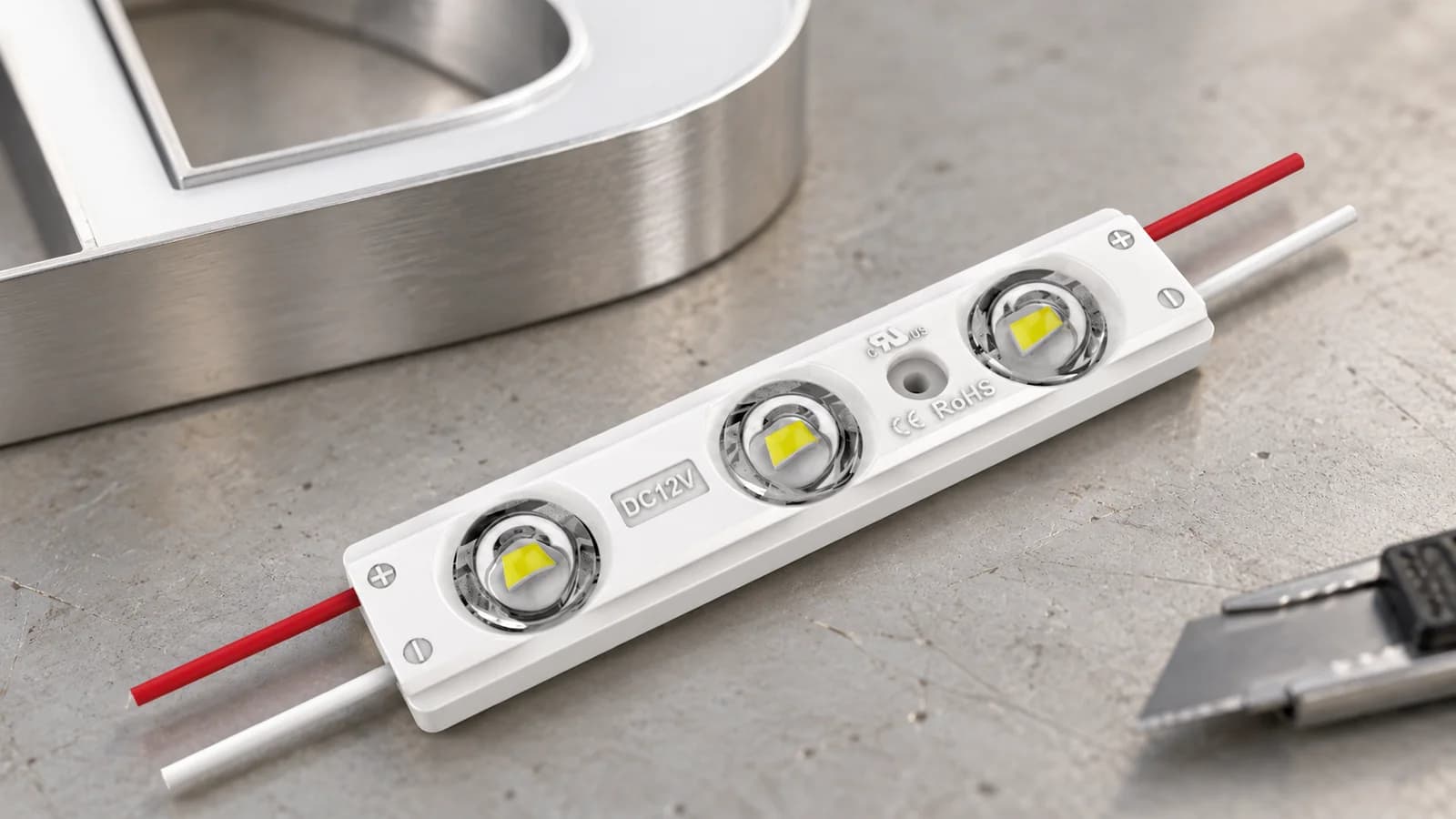
IP65Dust tightWater jetOutdoor LED modules, strips
IP67Dust tight1m immersionExposed outdoor modules, FL climate
IP68Dust tightContinuous submersionIn-ground or underwater fixtures

What Each Level Means for Your Installations

Cabinet signs and enclosed sign boxes: The LED strips or modules inside a well-sealed cabinet sign have some protection from the cabinet itself, but cabinets are not fully sealed -- moisture enters around gaskets, vents, and conduit entries. Use IP64 or higher for any LED component inside a cabinet sign.

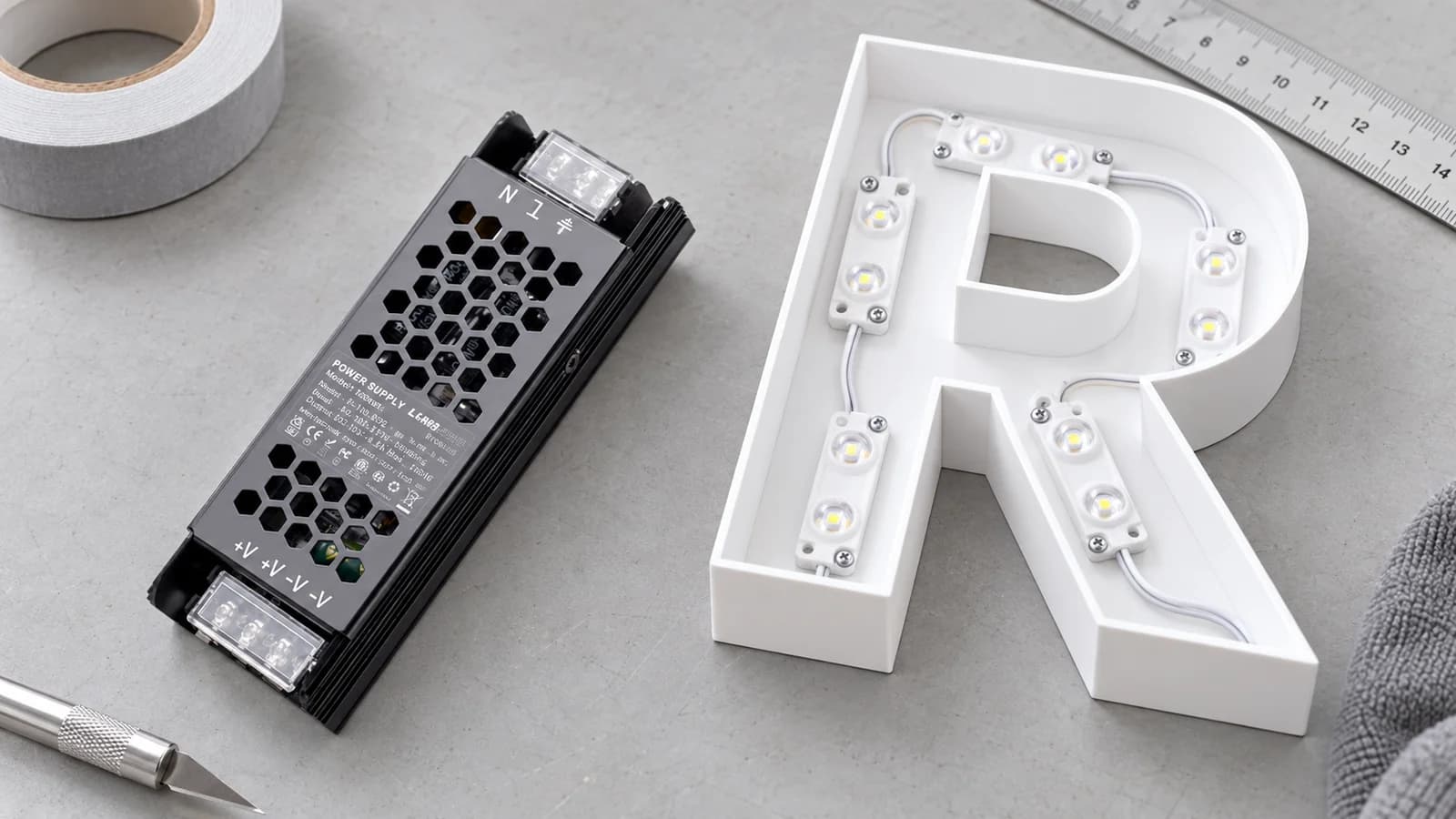
Outdoor channel letters: LED modules mounted inside channel letters are directly exposed to humidity, condensation, and occasional water intrusion. IP65 is the minimum. In coastal or high-humidity environments like Miami, specify IP67 -- the additional protection against immersion means brief water pooling inside a letter return won't cause failures.

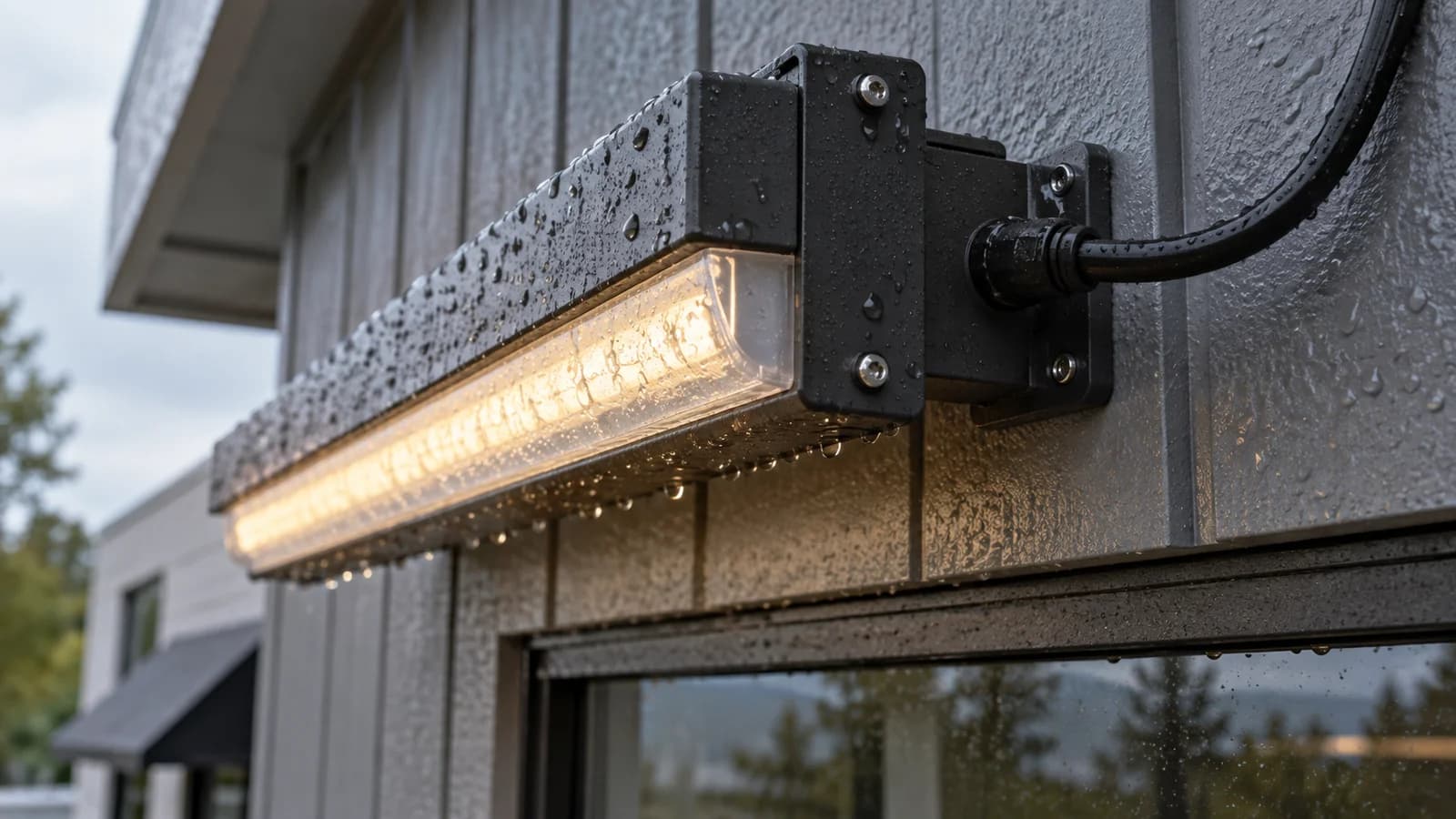
Exposed LED strip lighting: Architectural LED strips used on building exteriors, under canopies, or in outdoor coves need to handle direct weather. IP65 minimum, IP67 preferred.

In-ground and underwater fixtures: Landscape up-lights set flush with the ground, pool lighting, or decorative water feature lighting must be IP68. These components are designed for continuous submersion.

The Most Common Mistake

The single most common IP-rating mistake we see: using IP44 modules in outdoor channel letters. IP44 provides splash protection from any direction but is not dust-tight and will not handle direct water jets or prolonged humidity exposure. Modules fail within one to two years, and the failure mode is usually resistor corrosion causing dim sections or complete dead-outs.

The fix is simple: for any outdoor signage, start at IP65 and go up from there based on exposure level.

Beyond the Rating: What IP Doesn't Tell You

An IP rating is a standardized test result -- not a guarantee of real-world performance. Several factors affect actual waterproofing in service:

- Potting compound quality: Silicone gel potting outperforms epoxy in thermal cycling and remains flexible. Hard epoxy cracks over time. - Connector quality: The weakest point in any LED installation is usually the wire connectors. Use waterproof connectors rated at or above the IP rating of your modules. - Installation technique: Drilling drain holes at the bottom of channel letter returns prevents water pooling. Silicone-sealing all conduit entries stops moisture wicking. No IP rating compensates for poor installation practice.

Always verify ratings against the product datasheet from the manufacturer -- not just the marketing copy on the listing page. The datasheet will reference the IEC 60529 test standard and specify the exact test conditions.

Need help choosing the right product?

Our technical team can help you spec the correct components for your specific application.

Contact Our Team

Share this article